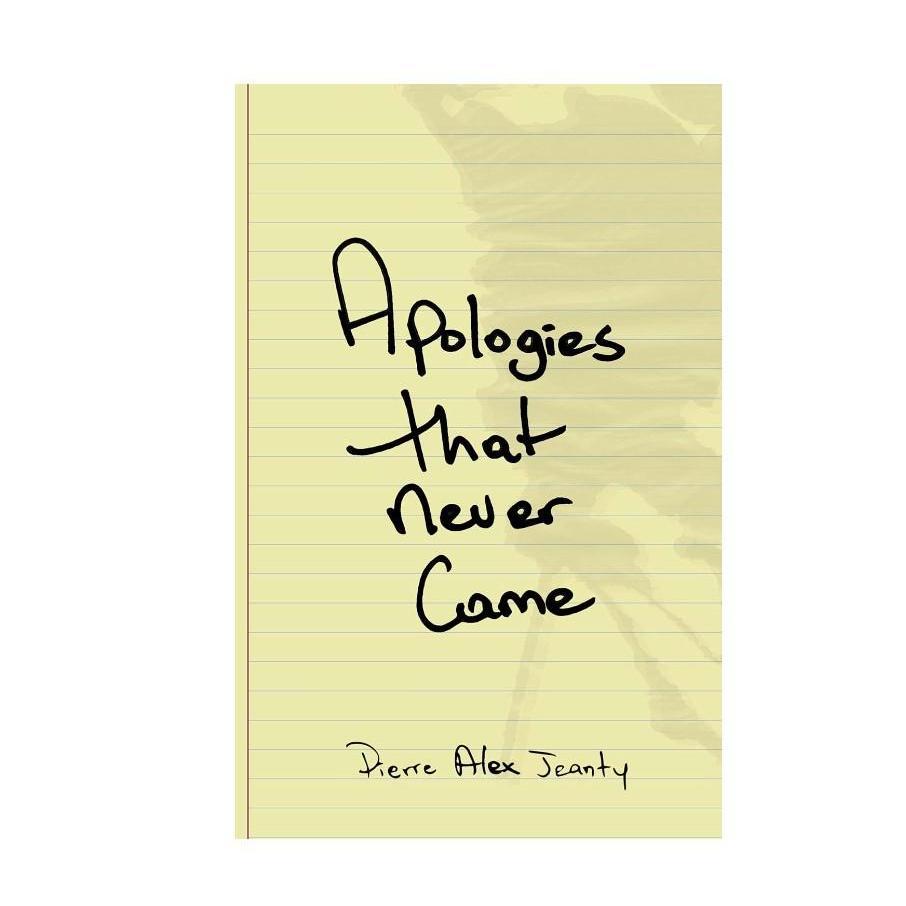
Apologies That Never Came – Sentimental Birthday Gift for Mom and Women in a Season of Healing
Apologies That Never Came – Sentimental Birthday Gift for Mom and Women in a Season of Healing
Couldn't load pickup availability
Why you'll love it
- gives voice to unspoken emotions the reader has felt but could not articulate
- offers a sense of validation that their pain over unsaid apologies is shared
- provides a reflective space without requiring the reader to actively journal
- works as a thoughtful, emotionally resonant gift that feels deeply personal
- portable and screen-free alternative to digital self-help content
Perfect for
- gifting to someone coping with unresolved emotional pain
- personal reading during a season of healing or reflection
- book club discussion prompt about forgiveness and regret
- companion read during therapy or grief counseling
- quiet bedtime reading for emotional processing
Self-made poet and social media sensation Pierre Jeanty has triumphed once again with his most recent collection, Apologies That Never Came. From words that never left your mouth to feelings you held on to, these words explore an unspoken space in heartbreak and pain, providing solace to the wounded soul.
With massive social media followings and a loyal fan base, Jeanty is poised for great success for his sixth poetry collection entitled Apologies That Never Came. In this series of prose and poetry, both the words and sentiment are simple, uninterrupted by excess flair or complexity.
Apologies That Never Came dissects the agony of heartbreak and loss through the unexpressed words and feelings; what is left over at the end. While his poems and prose delve into pain, they ultimately transcend that heartbreak, awakening everyone's preexisting strength and capacity for growth. Much like in his previous collections, Jeanty has successfully created a tool for unity and healing out of the torment of his experiences.
Frequently Asked Questions
Is this a good gift for someone going through a breakup or divorce?
Yes, it is one of the most common gifting occasions for this book. It acknowledges unspoken pain without requiring the recipient to explain what they are feeling.
Does it feel personal enough for a close friend rather than a generic gift?
Because it speaks directly to a specific emotional experience, it signals that you have paid attention to what the recipient is carrying. That makes it feel deeply personal rather than generic.
Is this appropriate as a sympathy or memorial gift?
Yes, the themes of regret and closure make it a meaningful keepsake for someone processing loss. It is often given alongside a handwritten note.
Can I give this for a birthday or holiday without it feeling morbid?
Absolutely. Many gift-givers choose it for birthdays, Valentine's Day, and the December holidays because the focus is on healing rather than grief alone.
Is the presentation gift-ready, or will I need to wrap it myself?
The book arrives as a compact, giftable volume that wraps easily. Many buyers add a ribbon or include it in a care package with tea or a candle.
Will the recipient know it is about emotional pain before opening it?
The title is evocative rather than explicit, so it does not feel clinical or heavy from the outside. Recipients often describe the title itself as the first moment of feeling seen.
Is this a good last-minute gift that still feels thoughtful?
Yes, because the emotional weight of the book does the heavy lifting. Even with short notice, it communicates a depth of care that most last-minute gifts cannot match.
Does it work as a gift for a man going through heartbreak?
Yes, the prose is gender-neutral in tone and appeal. Many buyers choose it for husbands, brothers, and fathers who are less likely to ask for emotional support on their own.
Can I include a personal inscription inside the book?
Yes, the cover and interior are well-suited to a handwritten note on the first page, which many gift-givers do to add an extra layer of meaning.
Is this an appropriate gift for a coworker or acquaintance?
It is best suited to someone whose emotional situation you are aware of, such as a bereaved friend or a sibling post-divorce. For more distant relationships, a lighter gift may be a better fit.
Does it feel too sad to give as a happy occasion gift?
It is rarely given for purely celebratory moments. Its strength is in marking a healing season, not a festive one, so choose the occasion accordingly.
How is this different from a greeting card with a similar message?
A card is read once and set aside, while this book becomes a long-term companion. It offers ongoing support rather than a single moment of acknowledgment.
Is this a better gift than flowers during a hard time?
Flowers fade within days, while this book can be revisited for months or years. Many gift-givers consider it a more lasting form of emotional support.
Will the recipient feel uncomfortable receiving a book about emotional wounds?
Most recipients report feeling moved rather than uncomfortable. The tone is gentle and validating, not confrontational or clinical.
Is the book a keepsake the recipient will keep, not resell or discard?
Yes, it is designed and intended as a keepsake. Most readers hold onto their copy long after the immediate emotional season has passed.
Can I pair this with another small gift to make a care package?
It pairs beautifully with tea, a candle, a journal, or a soft blanket. The book often serves as the anchor piece in a grief or healing care package.
How should I read this book for the best experience?
Read it slowly, one passage at a time, ideally in a quiet setting. Many readers set aside ten to twenty minutes per sitting rather than reading straight through.
Do I need to read it in any particular order?
No, the book is designed to be read in sequence but does not rely on a strict plot. You can also open to a random page when you need a specific reflection.
How long does it take to finish?
Most readers finish it in a few sittings, though many take weeks to fully sit with the material. There is no required pace.
Does this book work with a book club discussion?
Yes, it works well as a discussion prompt. Many book clubs pair it with conversations about forgiveness, regret, and unspoken apologies.
Is it compatible with grief counseling or therapy?
Yes, many readers bring it to therapy sessions as a focal point. Counselors often use passages as jumping-off points for deeper discussion.
What is included in the box when I order it?
You will receive the single book volume, packaged for safe shipping. No additional accessories, inserts, or add-ons are required to begin reading.
Is the content safe and appropriate for sensitive readers?
Yes, the language is tender and never graphic. It is written to soothe and validate rather than to distress.
Will the book hold up with regular re-reading?
Yes, the binding and paper are selected for repeated handling. Many readers return to favorite passages over months and years.
How is this different from a poetry collection or a memoir about loss?
It is neither strictly poetry nor memoir. It is a contemplative prose work that blends both forms to explore a single emotional theme, which sets it apart from either category alone.