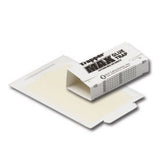
Trapper Max Glue Traps – Versatile Insect Boards for Garages, Barns, and Backyard Use
Trapper Max Glue Traps – Versatile Insect Boards for Garages, Barns, and Backyard Use
Couldn't load pickup availability
Why you'll love it
- Non-toxic formula is safer around children and pets compared to poison baits
- Peanut butter scent increases catch rate by luring rodents and insects onto the board
- 12-pack value offers enough boards to treat multiple rooms or replace traps as needed
- Foldable design lets users place traps in narrow gaps or flat on floors for flexible placement
- No chemicals, batteries, or power required—simple manual trap
- Low-cost DIY alternative to professional exterminator services
Perfect for
- Trapping mice along garage or basement walls where rodents travel
- Catching cockroaches and spiders in kitchen corners and under sinks
- Catching bed bugs in bedroom baseboards and mattress edges
- Placing folded traps in tight spaces like behind appliances to monitor insect activity
- Lay flat on garage floor or attic to catch crawling insects
About this item
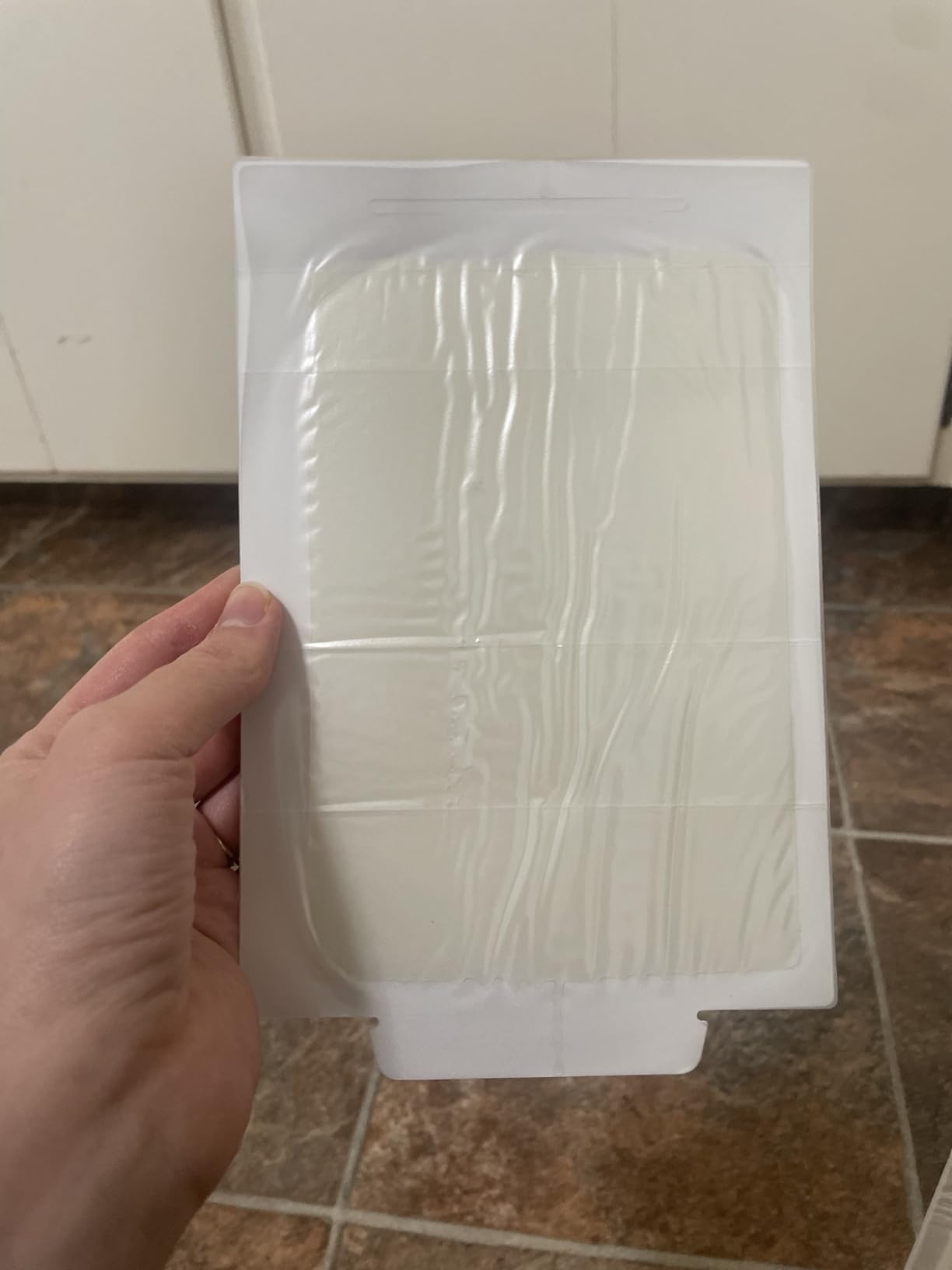
Great non-toxic way of catching rodents and insects.
The glue covered surface measures 4.5"X 6.5" (The whole trap is 5.25"X 7.75")
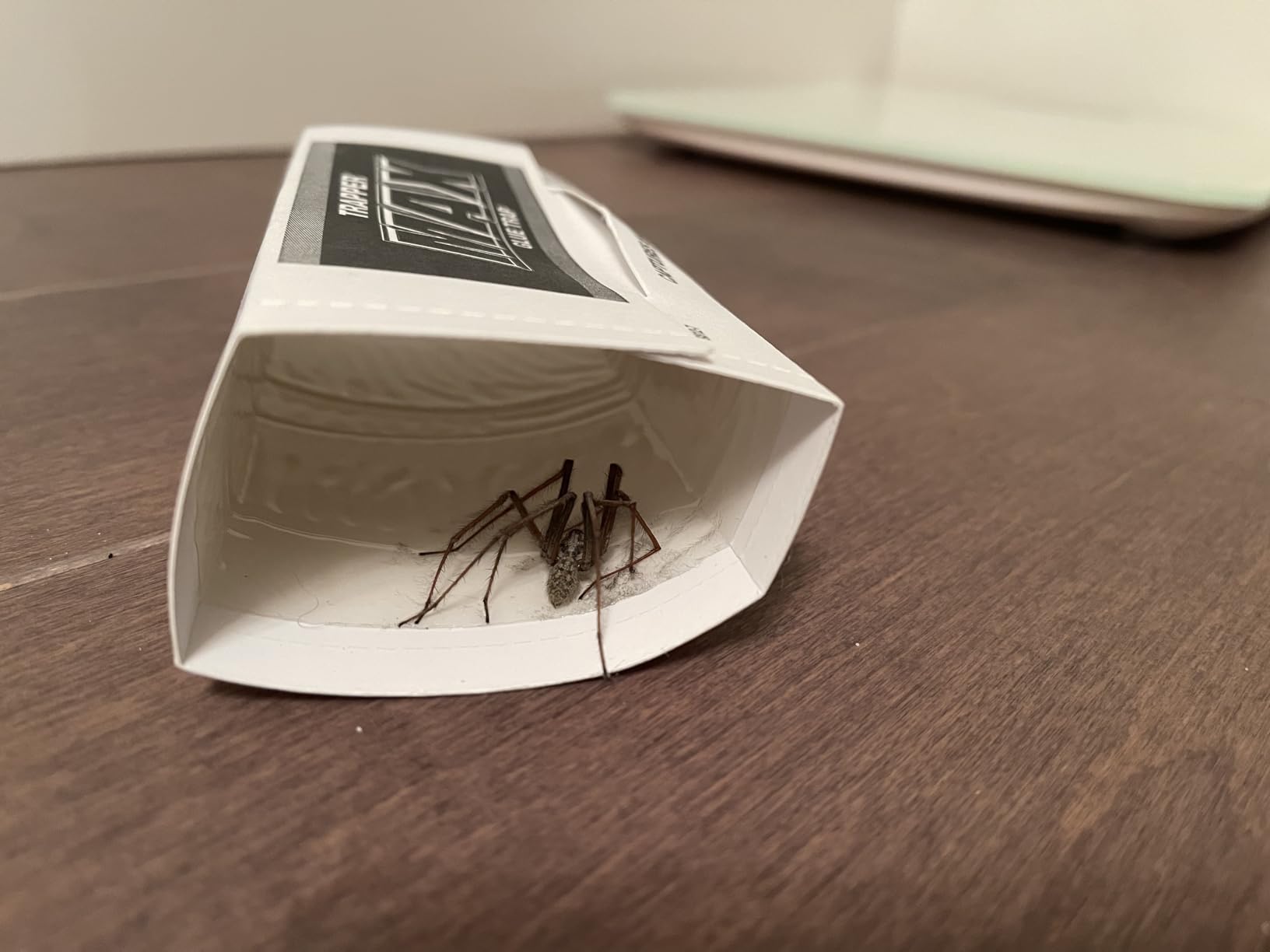
Can be used as flat or folded and placed where rodent or other target pests activities have been observed.
Includes 12 peanut butter scented glue boards
Boards are scented
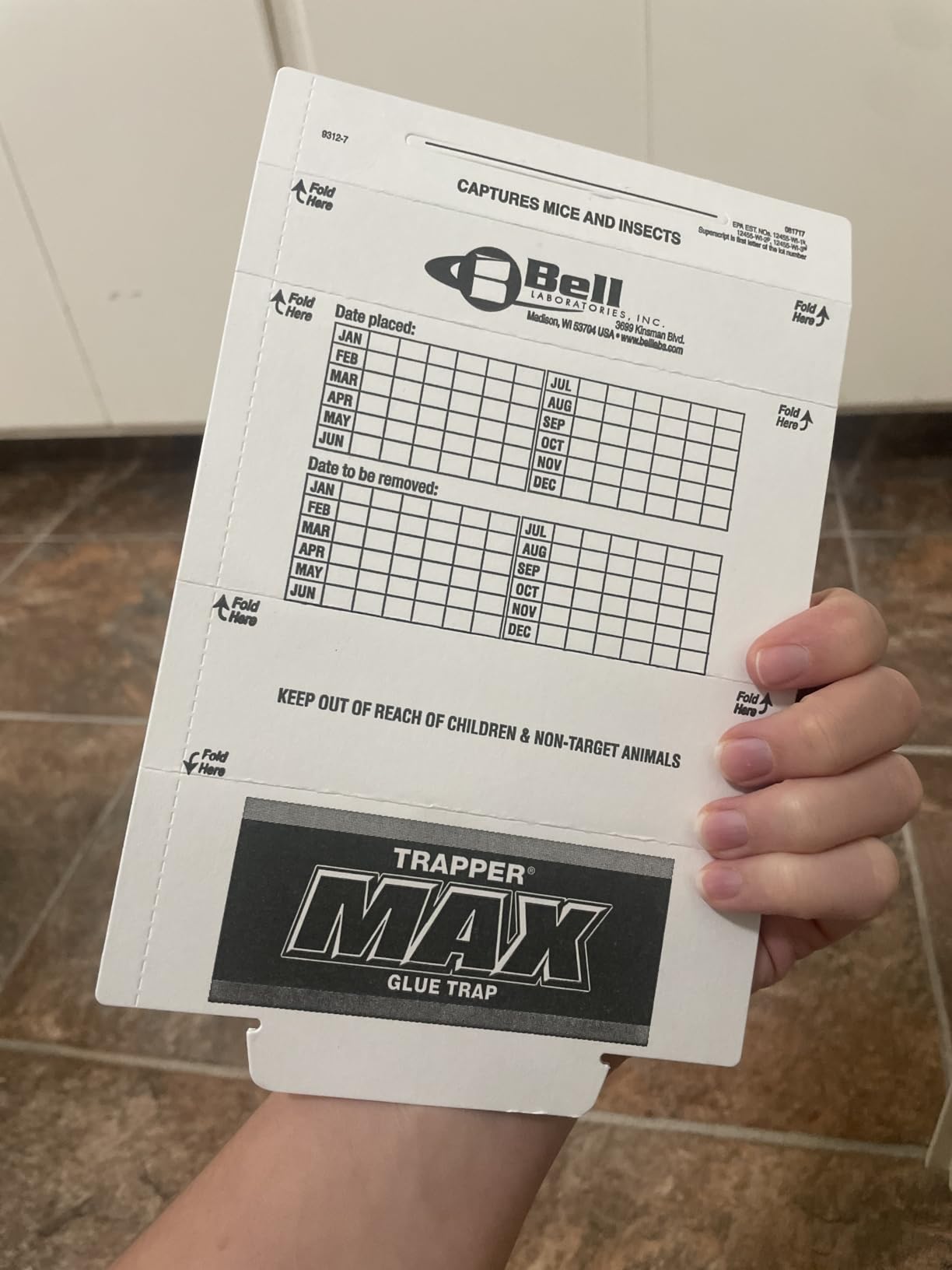
Frequently Asked Questions
Can I use these glue boards in my garage or shed where temperature varies a lot?
Yes, Trapper Max Glue Traps work well in garages, sheds, and storage areas where mice and spiders enter from outside. Extreme heat above 100 degrees F can soften the adhesive, so in very hot climates, place boards in shaded spots against walls or inside the folded tent mode for better performance.
Will rain or humidity outside ruin the glue trap if I place it on a patio?
Direct rain will dissolve the adhesive and warp the cardboard, so outdoor patio use requires covered placement such as under a grill, inside a storage bench, or beneath an eave. For open-air environments, the tent-folded mode offers slightly more protection than a flat board on wet ground.
Can I bring these traps camping or use them in an RV for a road trip?
Glue boards are compact, lightweight, and require no power, making them convenient to pack for camping, RV travel, and cabin stays. Place them inside tent corners, under RV sinks, or along camper baseboards to catch mice and spiders that follow you into outdoor accommodations.
Will these traps hold up on a concrete garage floor against mice coming in from outside?
Yes, the flat 4.5 by 6.5-inch adhesive surface bonds well to concrete, wood, and tile, so placement directly on garage floors along walls is effective. Position boards where you see droppings or chew marks, typically two to three feet from exterior doors and along the garage perimeter.
Are these boards durable enough to catch pests in a barn, workshop, or commercial storage room?
Trapper Max Glue Boards are designed for both residential and light commercial use, including barns, workshops, warehouses, and restaurant storage rooms. For high-traffic pest areas, deploy multiple boards from the 12-pack along baseboards, near feed bins, and around loading dock entries.
Can I use this in my outdoor dining area to control flies and roaches at night?
Glue boards can supplement outdoor pest control around dining patios, but they are best placed in covered, low-traffic areas such as under bar counters, inside storage cabinets, or along the base of exterior walls. Avoid placing boards where food is served or where guests may accidentally contact them.
Can I use this for a restaurant kitchen or back-of-house pest issue?
Yes, many small restaurants and food service operations use Trapper Max Glue Boards in non-food prep zones like storage rooms, mop closets, and under dishwashing tables. Always follow local health code requirements and place boards in approved locations away from open food and prep surfaces.
Will the peanut butter scent attract wildlife or outdoor animals to my porch?
The scent is mild and targeted at small rodents and insects, and is unlikely to draw raccoons, possums, or stray animals in significant numbers. For full peace of mind in wildlife-prone areas, place boards inside enclosed spaces like sheds, crawl spaces, or under deck stairs rather than on open porches.
How do these compare to outdoor bait boxes for garage and shed use?
Outdoor bait boxes use poison that can harm non-target wildlife, pets, and birds of prey, while Trapper Max Glue Traps physically catch pests with no toxic secondary effects. For property owners near pets, livestock, or protected wildlife, glue boards are the more environmentally responsible option.
What about inside my attic, where I cannot easily check traps every day?
Attic placement is effective because mice and insects travel along attic joists and eaves, but boards in less-frequented spaces should be checked weekly. Use tent-folded boards tucked into corners to prevent dust and insulation from coating the adhesive and reducing effectiveness.
Will the boards hold up to dust and debris in a warehouse or workshop environment?
Dust and sawdust can coat the adhesive and reduce stickiness, so in dusty work environments, place boards inside folded tent mode or inside protective stations to shield the surface. Replace boards from your 12-pack more frequently in high-debris areas to maintain catch rates.
Could a mouse drag the trap away or take the bait off in an open garage?
The peanut butter scent is infused into the adhesive, so a mouse cannot simply remove the bait, and the board's cardboard is rigid enough that most rodents cannot drag it. For larger rodents or persistent pulling, place the board in tent mode against a wall where it cannot slide.
Are these boards weatherproof enough for use in a damp crawl space?
Crawl spaces with high humidity may shorten board life, but the traps still work for several weeks if placed on dry surfaces like plastic sheeting, bricks, or wooden beams. Avoid direct contact with wet soil or standing water to preserve the adhesive bond.
Can I deploy these along the perimeter of my yard shed to catch mice before they enter?
Perimeter placement along shed walls and door frames is highly effective because mice travel along edges rather than across open ground. Position flat boards flush against the shed base, or fold into tent mode and wedge into corners where runways are visible.
Will the cardboard hold together if it rains on it in an open garage?
Prolonged rain exposure will degrade the cardboard, so for open or partially open garages, place boards in dry corners, under workbenches, or inside storage bins with the entrance facing rodent runways. Checking and replacing wet boards keeps your 12-pack rotating effectively.
What is the best outdoor placement strategy for a property with a mouse infestation?
Begin by placing boards along exterior walls of the garage, shed, and basement entry points, then move indoors to kitchens, pantries, and utility rooms. Combine trapping with sealing gaps larger than a quarter inch using steel wool and caulk to fully break the infestation cycle.
How do I set up and place a Trapper Max Glue Board for the best results?
Remove the board from the packaging without touching the adhesive surface, then place it flat along a baseboard or wall edge where you have seen droppings, gnaw marks, or pest activity. For tight spaces like behind appliances or inside cabinets, fold the board into a tent shape with the sticky surfaces facing inward toward the wall gap. Place two to three boards in each high-activity area and check them every two to three days, replacing used boards from your 12-pack as needed.
Should I use the board flat or folded into a tent shape?
Use the flat position along baseboards, under furniture, and on garage or basement floors where pests travel openly. Fold the board into tent mode for tight gaps behind stoves, refrigerators, and dishwashers, or to conceal the sticky surface in living areas. Both modes are equally effective, and many homeowners use a combination of flat and folded boards to cover different room layouts.
How long does a glue board stay effective once set out?
An undisturbed Trapper Max Glue Board remains effective for two to four weeks in typical indoor conditions, though dusty, humid, or high-traffic environments may shorten this window. Replace any board that has caught a pest, become coated in dust, or lost its tackiness, and rotate fresh boards from your 12-pack into active zones.
Will these glue boards work on bed bugs along mattress edges and baseboards?
Yes, Trapper Max Glue Boards are effective for monitoring and partially controlling bed bugs when placed along mattress seams, bed frame edges, and bedroom baseboards. For severe bed bug infestations, glue traps work best as part of a broader treatment plan that includes mattress encasements, professional heat treatment, and thorough laundering of bedding.
Can I use these traps if I also have a cat or dog that hunts mice?
Glue traps can be used in homes with cats and dogs, but placement matters to prevent pets from contacting the adhesive. Position boards inside folded tent mode in gaps pets cannot access, such as behind appliances, under cabinets, or inside crawl spaces. If your pet hunts rodents, monitor boards frequently to free any caught pests before your pet attempts to remove them and becomes stuck.
What is included in the box and do I need to buy anything else separately?
Each box contains 12 pre-scented peanut butter glue boards measuring 4.5 by 6.5 inches each, ready to use with no additional bait, batteries, or setup required. You may want to keep disposable gloves and a small trash bag on hand for sanitary disposal of used boards, but no other accessories are necessary to begin trapping.
Is the peanut butter scent safe for people with allergies or sensitivities?
The peanut butter scent is a mild attractant infused into the adhesive and does not contain actual peanut protein, so it is generally safe for households with peanut allergies. The scent is light and localized, and most people with sensitivities do not experience any reaction, though you can place boards in well-ventilated areas if you prefer to minimize any scent exposure.
How do I safely dispose of a used glue board with a caught pest?
Wear disposable gloves, place the entire board with the caught pest into a sealed plastic bag, and dispose of it in an outdoor trash container with a secure lid. Do not flush glue boards, as the adhesive can clog plumbing. Wash your hands thoroughly after handling, and replace the used board with a fresh one from your 12-pack.
What is the difference between a glue trap and a snap trap, and which is better?
Snap traps kill mice with a quick mechanical bar, while glue traps catch and hold pests on an adhesive surface without poison. Glue traps are easier to set, require no baiting, and offer visual proof of catch, while snap traps are reusable and can be more sanitary since the pest is killed instantly. For renters, parents, and pet owners who want chemical-free simplicity, glue boards are often the preferred choice.